
Dr Ivan Satyavrata speaks to City News about leadership, accountability, and the church’s role in helping the poor. He explains why true empowerment begins not with systems, but with the Spirit.
He cuts a fatherly figure, the kind that instantly puts you at ease with his gentle wisdom and kind eyes. But it should come as no surprise, because above all, Dr Ivan Satyavrata is a pastor—a shepherd of both hearts and minds.
His deep compassion and pastoral warmth have shaped not only the congregation he led at the Assembly of God Church in Kolkata, but also countless students and leaders across the globe. While teaching a Christology class over Zoom once, students were surprised at how Dr Ivan grew visibly emotional, moved by the beauty of Christ’s person and work of the cross. He admits that he is “guilty of a Jesus obsession”. It is this genuine love for Jesus and for people that continues to define his life and ministry.
A respected theologian and leader, Dr Ivan currently serves as the Chairman of World Vision International, after many years as Senior Pastor of Assembly of God Church Kolkata and President of the Southern Asia Bible College (now the Centre for Global Leadership Development). With degrees from India, Canada, and the UK—including a PhD from the Oxford Centre for Mission Studies—he brings both academic depth and spiritual authenticity to his work. He is truly an example of what it means to live out a faith that is thoughtful, compassionate, and Spirit-empowered.
CITY NEWS: In today’s world where power often means influence, success, or visibility, how can believers practically live out this “power in weakness” that reflects the heart of Jesus?
DR IVAN SATYAVRATA: I think at the core of our relationship to power is Jesus’ act of washing His disciples’ feet—the image of the towel and the basin. When you read that passage, it says that “Jesus, knowing that He had come from God and that He was going back to God, and that the Father had given all things into His hands, then took off His outer garment and began to wash the disciples’ feet.” (John 13:3-4) In other words, Jesus was fully aware of His divine authority and identity—and yet He chose the posture of a servant. Love is the motivation; servanthood is how it is expressed.
So we look at every relationship, beginning at home, in the office, or at church, asking, “How can I serve you? How can God use me to serve you?” That is how we exercise influence.
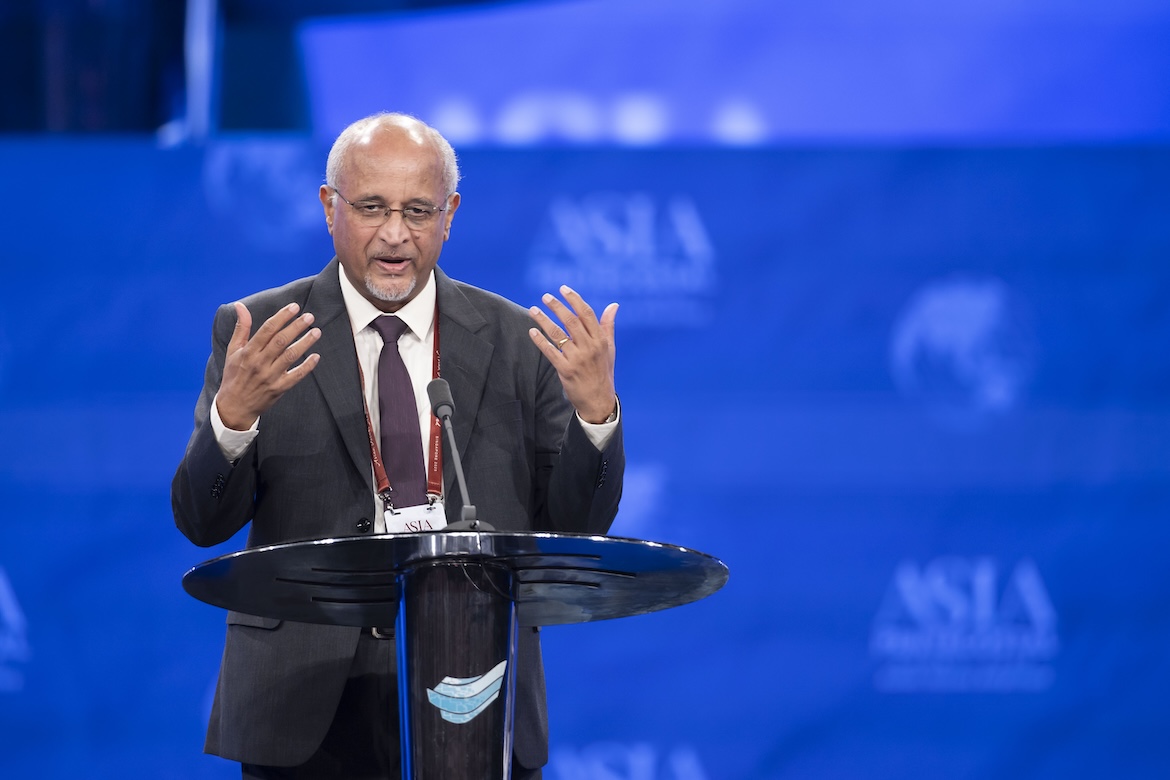
In fact, there was a very influential management text called Servant Leadership some years ago. It’s a secular book on leadership, but it uses this theme as its core in terms of how you exercise influence as a leader. Exercise influence with the posture of servanthood. That doesn’t necessarily mean that you don’t hold people to account. In fact, that’s part of your servant responsibility, part of your stewardship. So, I would say two words are crucial—servanthood and stewardship. You see every relationship as a stewardship. So, if I’m in relationship with you, how can I help you to become everything God wants for your life? How do I help you fulfill your destiny in God? So, to me, that is how we exercise influence.
When people know that the relationship is not transactional or exploitive, but rather, “I want to serve you and make you a better person, and help you to flourish and fulfill your destiny life”, people will trust you with their lives.
You acknowledge the painful reality of power abuse, even in spiritual contexts. What safeguards or postures do you think churches and leaders should cultivate to ensure that Spirit-power remains redemptive and not exploitative?
The big word I would use is “accountability”. Leaders have to walk close to God, and model or try to emulate Jesus’s model of leadership. But at the heart of it is this—it’s very important to surround yourself with people you give the right to speak into your life; people who have your best interest at heart, who watch your back. An armour bearer is not just one that protects you from false accusations, he or she also protects you from yourself. The bottom line is, we are all broken people and none of us is perfect. So we need people who will occasionally hold a mirror to us and say, “This is where I think you may not be following the leading of the Spirit, or this is not according to God’s Word. So make yourself genuinely accountable to people around you, even if you’re at the top of the pyramid. It is critically important to have people you can be transparent and vulnerable with when you want a sounding board for ideas, or you’re unsure of a particular direction, or you want to confirm what God is saying to you.
You describe the poor as the “empty-handed”—those marginalised and powerless because of systems that fail them. But there are stories of people who have broken through those systems—the rags-to-riches stories that prove “anyone can make it if they try”. Do such narratives inspire hope, or do they hide the deeper issues of injustice and broken systems that the church needs to confront?
That is really the story of much of the Pentecostal movement. Secular sociologists who have studied global Pentecostalism often point to this as the secret behind its explosive growth. In most parts of the world, Pentecostalism has been a movement from the margins—where the Gospel has brought empowerment to people who once felt powerless and empty-handed. When such people hear the good news of Jesus, experience the baptism of the Holy Spirit, and begin to move in the gifts of the Spirit, something transformative happens: they discover a voice. They begin to be heard.
One reason for this is that Pentecostal churches tend to be relatively flat in structure—there may be pastors, but the movement is far less hierarchical than many older church traditions. This openness gives space for ordinary believers to participate and lead. Sociologists observe that this dynamic of grassroots empowerment has been key to Pentecostalism’s effectiveness and growth, especially in regions like Latin America.
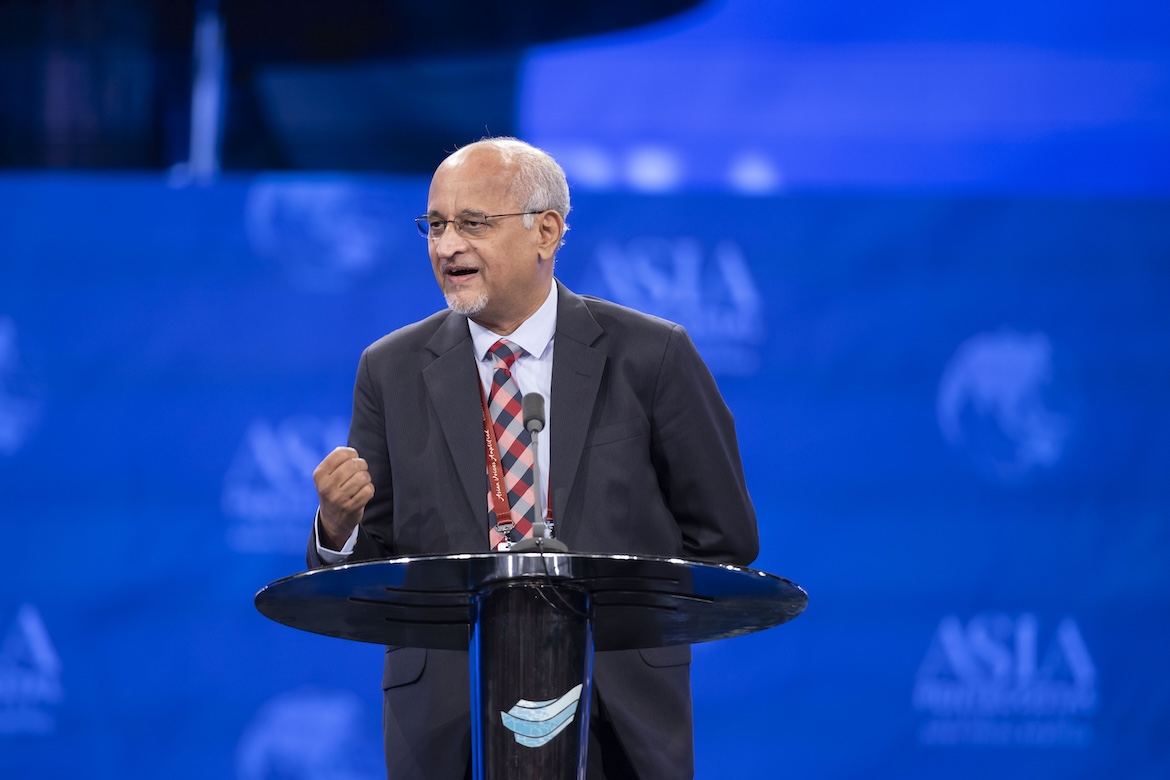
An example is liberation theology, which arose in a previous generation. Influenced in part by Marxist thought, it sought to empower the poor through social and political structures. But in time, even its founder, the theologian Gustavo Gutiérrez, admitted the movement’s failure—it had strong theory but lacked the inner spiritual power to bring real transformation. In contrast, the Pentecostal movement accomplished what liberation theology could not, because it enabled people to experience empowerment from within—a spiritual renewal that broke the chains of oppressive systems and lifted individuals into new levels of dignity, confidence, and purpose.
If you’re talking about people outside the church, of course there are success stories—but these are usually individual cases. They tend to be people who are naturally gifted, or who have managed, through sheer determination, to rise above their circumstances. Sometimes, it happens because someone comes alongside them—a mentor, benefactor, or organization that empowers them in some way, perhaps by providing access to education or financial help. Education, in particular, has often been the key for many to break free from poverty. Others may find opportunity through business or entrepreneurship.
But these are exceptions. For the most part, in many majority world contexts, the systems and structures of society keep the poor trapped in poverty. Even in many Communist countries, where the promise of egalitarianism was supposed to ensure equality, the reality is very different. There is always an oligarchy—a small group at the top who hold most of the wealth and power—while the poor continue to remain poor.
Some church members might say, “There are already so many needs within our own congregation—why focus our energy and resources on helping the poor outside the church?” How can we respond to that concern in a way that encourages compassion and helps them see that outreach can still be part of their calling in spite of challenges?
I think it’s important first to distinguish between poverty and extreme poverty. When we talk about poverty in the context of outreach, we are usually referring to extreme poverty—people who lack the basic essentials of life. These are individuals without access to adequate food, clean drinking water, basic hygiene, healthcare, primary or secondary education, a means of livelihood, or even a roof over their heads. If someone has access to those seven essentials, they are not truly poor, even if they do not have luxuries or wealth.
In other words, what we’re talking about is not relative poverty but absolute deprivation. Across much of Latin America, Africa, and Asia, this kind of extreme poverty is widespread—over 60% of Asia alone lives in such conditions. These are people who are literally empty-handed—they have nothing and no means to help themselves. They live in dehumanising environments that rob them of dignity and self-worth. Anyone who has walked through the slums of a major city in the Majority World knows exactly what that looks like.
This perspective helps us place our own “needs” in context. Of course, people within our churches have needs, but those must be weighed alongside the needs of those who are truly destitute. Their situation is so severe that compassion demands a response from us.
For those who struggle to understand this, I would encourage them to go and see firsthand the places where the church is serving people living in extreme poverty. When you see those conditions for yourself, your perspective changes. As the saying goes, who struggle to understand this, I would encourage them to go and see firsthand the places where the church is serving people living in extreme poverty. When you see those conditions for yourself, your perspective changes. As the saying goes, “I grumbled because I had no shoes, until I saw a man who had no feet.” It’s a vivid image, but it captures the truth: when you encounter real suffering, your own struggles take on a different scale, It’s a vivid image, but it captures the truth: when you encounter real suffering, your own struggles take on a different scale.
Of course, not everyone is easily moved by need. There are two main reasons people may lack compassion. One is cultural or religious fatalism—for instance, in parts of India, the belief in karma leads people to think poverty is simply a result of one’s past life, and therefore, nothing can or should be done about it. The other is self-centredness—the mindset that says, “I’ve worked hard for what I have, why should I share it?”
But for a Spirit-filled believer—someone shaped by the Word, by worship, and by the Spirit—seeing such poverty should stir something deep within. The Gospel compels us toward compassion. When we encounter those who are truly “empty-handed”, our hearts should be moved to respond with the same love and generosity that God has shown us.
Leading an organisation that serves millions across diverse cultures must come with complex moral and practical challenges. What has been some of the most defining lessons you’ve learned about stewarding compassion on a global scale?
First, a disclaimer; I serve as the Chairman of the World Vision International Board, which is a role distinct from that of the President and CEO. The President and CEO lead the organisation’s day-to-day management and operations, while my responsibility lies in governance.
So, to be clear, I am not involved in the daily running of World Vision’s programmes or projects. My role is to facilitate governance—to ensure accountability, provide strategic oversight, and help set direction at the global level.
When it comes to stewarding compassion, especially in reaching out to the most vulnerable children—the very focus of World Vision’s mission—the most defining lesson I’ve learned is a deep awareness that we are only junior partners with God in this work.
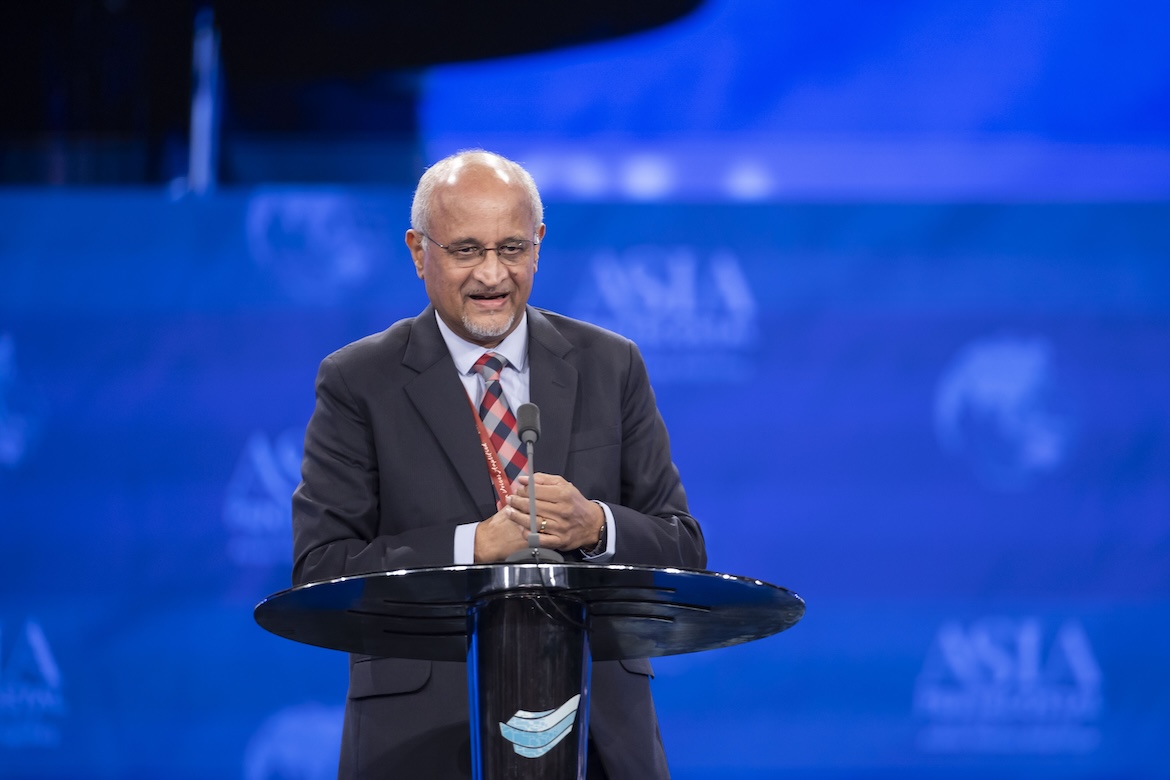
World Vision’s slogan is “Our vision for every child, life in all its fullness; our prayer for every heart, the will to make it so.” That phrase “our prayer” captures something essential: it reminds us that this is God’s mission, not ours. We depend entirely on Him. God is already at work in the world, and we are simply joining Him in what He is doing.
Recognising that truth brings both freedom and humility. The scale of human suffering can feel overwhelming—no organisation, not even one with a budget as large as World Vision’s, can meet every need on the planet. But understanding that this is God’s project helps lift the burden off our shoulders. It allows us to rest, knowing that we are not trying to “save the world” through human effort alone. Instead, we participate faithfully in the part God entrusts to us.
At the same time, this awareness brings a deep sense of accountability. Because the resources we handle ultimately belong to God, we must steward them with the utmost care and integrity. Every dollar given is an act of trust—people give not to us, but to God, on behalf of a child in need. Our responsibility is to ensure that as much as possible reaches the child and that every decision reflects wise, prayerful stewardship.
So, for me, the two greatest lessons in stewarding compassion are these: a dependence on God—remembering that we are junior partners in His mission, not the owners of it; and accountability to God—recognising that all we manage is His, and we must handle it faithfully and transparently.
Of all the stories you’ve witnessed, is there one that still stirs your heart whenever you think about it?
Let me tell you one story that remains very vivid in my mind, because I’ve seen it unfold before my very eyes. It’s one thing to feed the hungry—which we do regularly on the streets—and another to be involved in touching the lives of millions of children through compassion. But this story is deeply personal to me.
It comes from one of the ministries my wife and I have been involved with for over 30 years: Bombay Teen Challenge, part of the Project Rescue network. About 30 years ago, one of my former students went to minister in the red-light district of Mumbai. On one of their visits to a local hospital, two members of his team heard the faint voice of a little girl crying out in the vernacular, “Don’t worry, little brother, I’ll take care of you. Even though everyone has forsaken us, I will not let you go.”
They followed the sound of that voice and, in the corner of the hospital, found a little girl about five or six years old, holding a six-month-old baby, gently rocking him to sleep. They soon learned that she came from a family that had been living on the streets of Mumbai. Her mother had died of AIDS, leaving behind three children—the baby, this little girl, and her 12-year-old brother. The father, unable to cope, had abandoned them. The older brother tried to take care of his siblings for a while, but eventually, the pressure became too much. One morning, the little girl woke up to find that he too had left.
This determined child took the baby in her arms and wandered the streets until she found her way to the hospital. The staff there had compassion on her, but as it was a government hospital, there wasn’t much they could do. They allowed her to stay in a corner of the ward, giving her bits of food now and then. When our team found her, they worked hard to get permission to bring her and the baby into one of our Project Rescue homes.
Fast forward 20 years—that little girl is now a young woman, and she is about to graduate from medical school. She went through school as one of the brightest students, deeply committed to her faith. When she prays, you can feel heaven touch earth—she brings the roof down! The little boy, miraculously, was healed of AIDS and has also completed school and is now in college.
Her story was even reported in local Mumbai newspapers—a “girl from the streets” who earned a coveted seat in medical school, where only a handful are selected out of tens of thousands of applicants. When asked what inspired her, she said that her mother’s death from AIDS, and her time spent in that hospital corner as a child, moved her to want to become a doctor—to help others as she had once been helped.
That’s what the Gospel can do. The Gospel can move our hearts to reach out, to pick up a child—the so-called refuse of the world—and share with them the love of Jesus. And when we do, God steps in. He heals, He restores, and He lifts people out of the ashes. God gave that little girl extraordinary grace and intelligence to excel in her studies, and today, she is preparing to serve her community with compassion and excellence.
Having encountered countless stories of suffering and need, how do you personally stay emotionally grounded without becoming overwhelmed?
Two things come to mind. First, I’ve learned to stay grounded by remembering that God doesn’t need us to take His place. We have to be secure in knowing that the work is ultimately His. As Jesus said, “The work the Father gave Me to do”—our task is simply to respond faithfully to the needs that God brings to our attention and steward the opportunities He has entrusted to us.
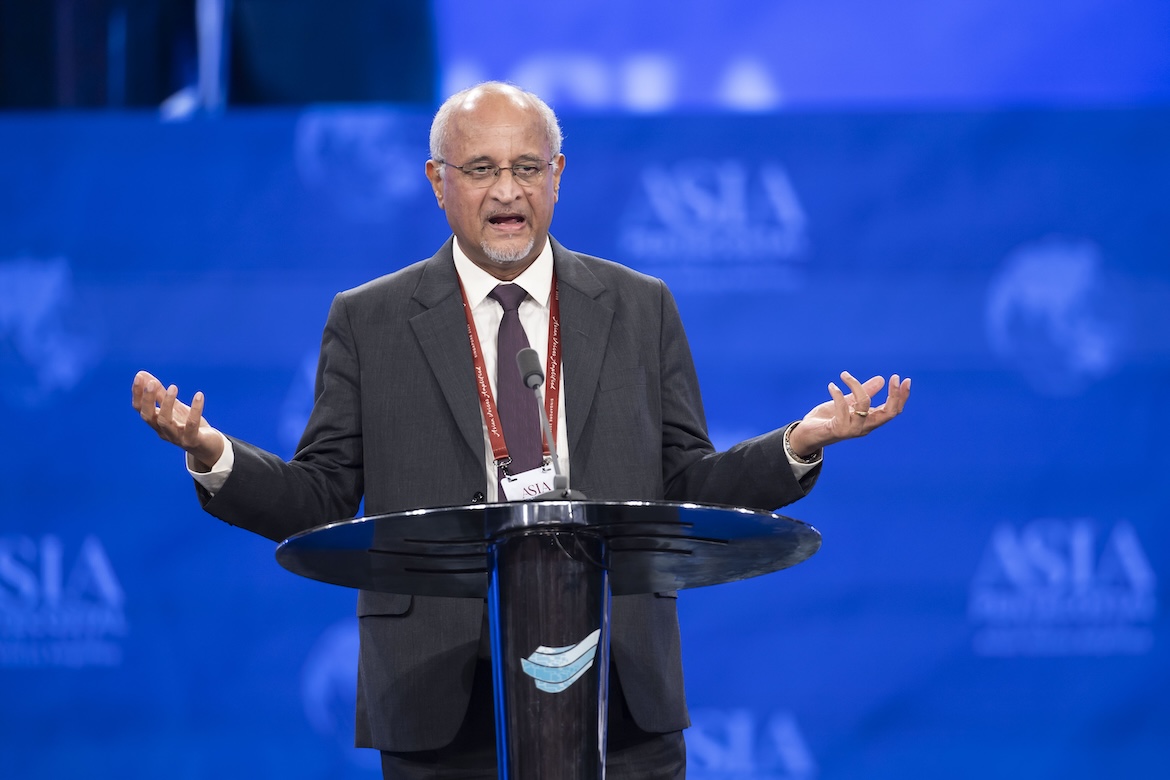
My wife and I often live with the weight of that stewardship. We’ve been blessed beyond measure—through education, relationships, and opportunities—and with that comes a deep sense of responsibility. “To whom much is given, much is required.” So we do our best to use every opportunity
God provides—whether in preaching, teaching, or serving—to share the Gospel in life, word, and deed. But at the end of the day, we rest in this truth: we are not the answer—Jesus is. Knowing that releases the burden to “fix everything.”
The second thing is when you come across stories like the one I talked about, it is unmistakable proof that God is already at work—He’s always ahead of us. We’re simply following His lead, step by step.
And of course, it’s vital to stay replenished—through time in God’s presence, the Word, prayer, and community. My wife and I are blessed with a community that extends far beyond Kolkata—friends and partners across the world whom we call our covenant family. It’s a wonderful network where we can be real and vulnerable, share our needs, and be prayed for and encouraged. When you grow tired, the church is meant to be a place of nourishment—a community that helps you stay rooted and emotionally grounded in your faith.
