
Dr Veli-Matti Kärkkäinen is Professor of Systematic Theology at Fuller Theological Seminary and docent of ecumenics at the University of Helsinki. His career has taken him from teaching and pastoral work in Bangkok, Thailand, to serving seven years as president and professor at Iso Kirja College, a Pentecostal theological college in Finland. A sought-after lecturer and visiting professor worldwide, he continues to teach actively today.
Recognised as a leading authority on Pentecostal-Charismatic theology and movements, Dr Kärkkäinen has authored and edited over 30 books, including the five-volume Constructive Christian Theology for the Pluralistic World (2013–2017), which places Christian doctrine in dialogue with other faiths. An ordained minister in the Evangelical Lutheran Church in America, he also embraces his Pentecostal roots.
At the recent Europe-Asia Pentecostal Summit (13–18 May), organized by City Harvest Church, he presented a paper titled “Does the Spirit Blow Where It Wills?: Pentecostals and the Struggle of Discerning the Holy Spirit among Religions.” His call for Pentecostals to recognise the Spirit’s work beyond the walls of religion reflects the breadth of his own spiritual journey.
Raised Lutheran but introduced to Pentecostalism in his teens, Dr Kärkkäinen says, “I had the privilege of living and worshipping both in the Lutheran and the Pentecostal church. Even though I’m ordained as a Lutheran minister, I also consider myself fully Pentecostal.”
City News sat down with Dr Kärkkäinen to talk about his unique upbringing and the experiences that have shaped his understanding of the Holy Spirit’s work.
CITY NEWS: In your paper, you mentioned “The Holy Spirit is active and present everywhere—not only within the church or in personal salvation and charismatic empowerment”. Is this your own experience with the Holy Spirit?
DR VELI-MATTI KÄRKKÄINEN: Yes, my own experience is that the Holy Spirit is present in my own Christian life and in the church. The Holy Spirit is God, not only a divine spirit but God. We believe in the Father, who is God, the Son, who is God, and the Holy Spirit, who is God, and yet one God. In my presentation, I was making reference to Psalm 139: “Where can I flee from your Spirit?” My own experience, my theological education and biblical study have convinced me that there are no limits to where the Holy Spirit is, because this whole world we live in is the creation of the Triune God. Jesus says in John 3 that the wind—that is the Spirit—blows where it wills. We humans sometimes have the tendency to try to limit or to confine the Spirit’s work, but the Spirit is not at our command, nor our disposal.
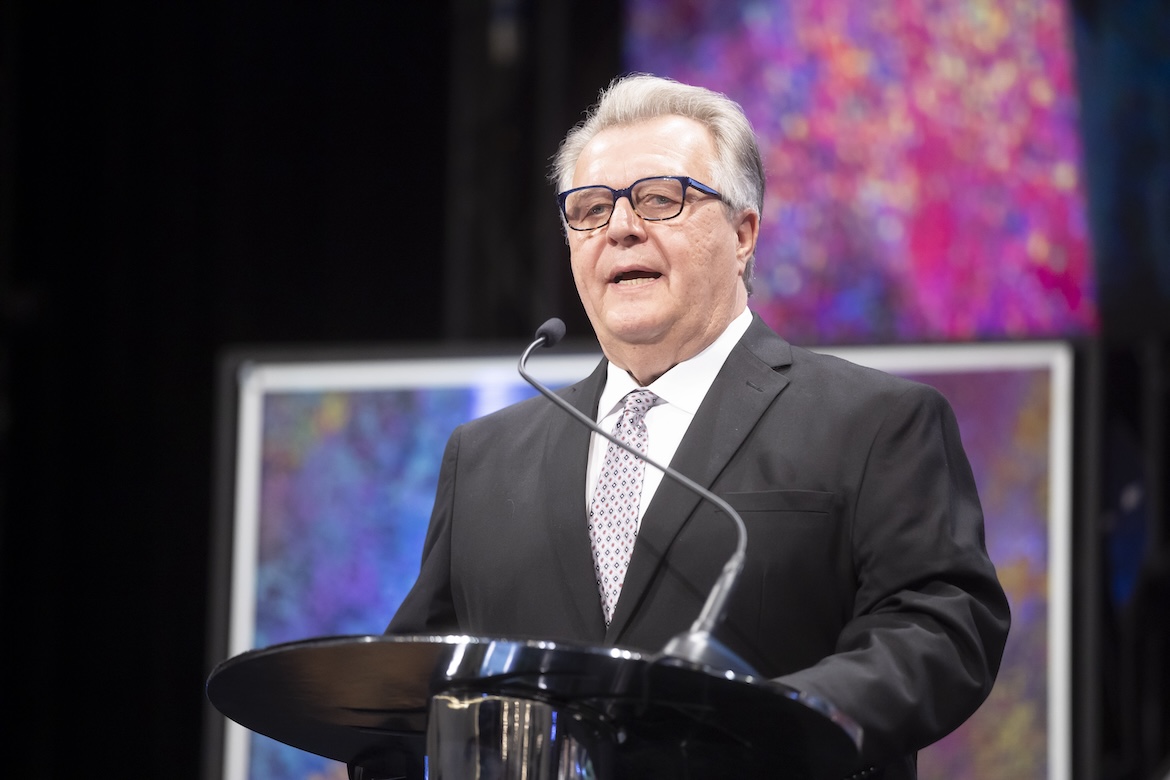
For many years, I’ve lived in a multi-religious environment. Together with my family, we lived in Thailand for many years, and I taught theology and did pastoral work. Similar to Singapore, Thailand has not only many Buddhists, but also Hindus, Muslims. They even have various types of Buddhists, like Chinese Buddhists and Theravada Thai Buddhists. When I was looking for the best way to teach theology to my students, who are Thai pastors, and the best way to understand the work of God in a country where the majority of the people are Buddhist, and less than one per cent of them are Christians, I came to the conviction that there’s a big difference between Christian and the Buddhist understanding of the spiritual world. The Almighty Holy Spirit, the Spirit of God, is above everything. The Holy Spirit can also penetrate religions.
Have you seen any examples of this in the life of a Buddhist?
I have met many Buddhists who are of high moral and ethical quality, who love their family and who sacrifice their well-being for the sake of others. That doesn’t make them Christians, and they do not have the salvation experience. I believe that every person, even a Buddhist, is created in the image of God; he or she just does not know it. Those are indications to me that the Spirit of God is working among religions.
I know many former Muslims who, for example, had seen a vision of Jesus. How did they ever come up with it? Because the Spirit was already preparing the soil of the heart. There might even be healings among religions. Of course, sometimes they can also be caused by other spirits and not the spirit of God—we need spiritual discernment. But ultimately, everything true, everything good, cannot be something that is not coming from God, who is the source of all goodness, holiness and truthfulness.
Is this why you chose this topic as your research?
I have done theological work for many decades, and I have written many books and also taught theology students. I’m a professor at the Fuller Theological Seminary, and we have students from almost 100 different countries. There are a large number of my theology students who come from places like Singapore, India, or Malaysia, which are highly multi-religious. And they often ask me, “Professor, how is this related to my context in Confucianism, or Taoism”? Many who come from lands with Muslims ask, “Muslims believe in Jesus, but they don’t believe Jesus as the Saviour. What’s the difference?”
Both as a teacher and as a former full-time missionary to Thailand, those questions were posed to me by the circumstances, and I saw that I have been seeking more knowledge both from the Bible and Christian tradition. Therefore, I thought a topic like Pentecostals and the struggle for discerning the Spirit among religions is something that may be relevant to you all who live in a highly multi-religious country.
Yes, both in your paper and in his response by Pastor Bobby Chaw to your paper, it is challenging for Asian Pentecostals to reconcile and discern the presence and activity of the Holy Spirit among other religions.
The fact that we talk about spiritual discernment means that we are not absolutely sure if and in what ways the Holy Spirit might be working, for example, in a predominantly Buddhist environment. If we knew it, we wouldn’t need discernment. Like I’ve been married to my wife for 45 years, I don’t need a discernment to know who my wife is.
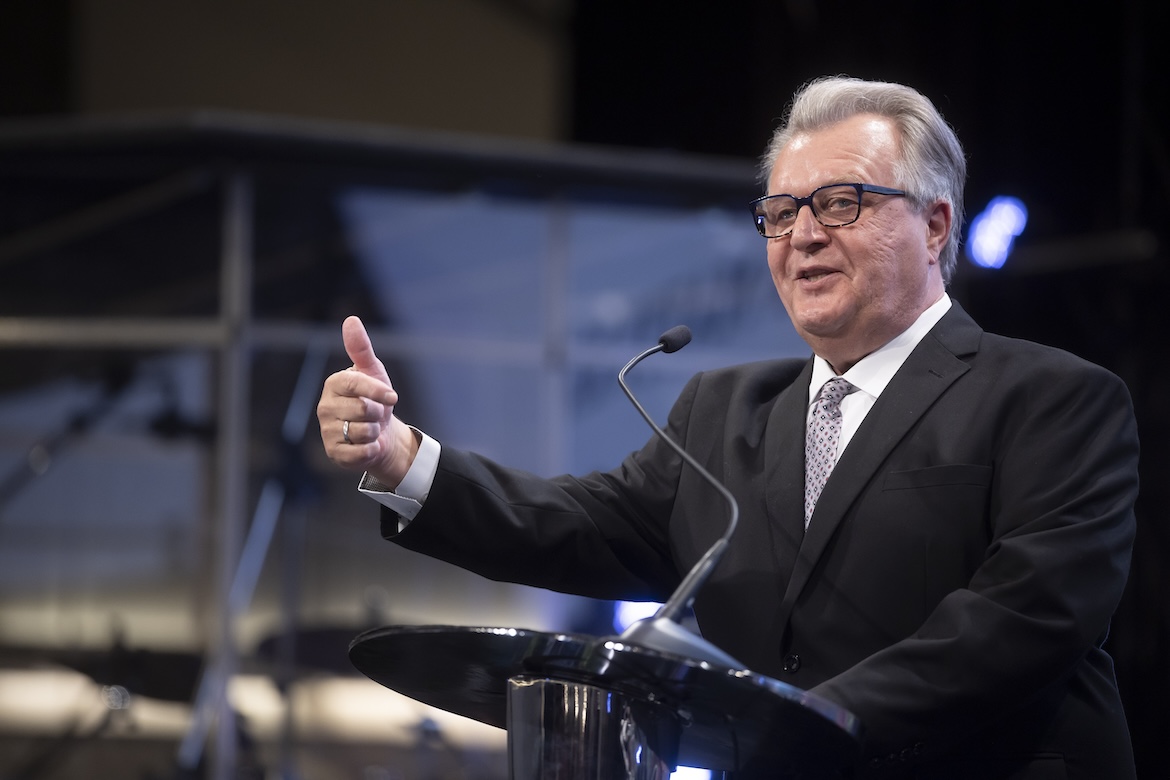
But when it comes to the Holy Spirit, first of all, He is the omnipresent, omniscient Spirit of God, and I am a limited, sinful, fallible human person. I need a lot of help, so I could see a little glimpse into what the Spirit is doing, and I can never claim that I know too much. Therefore, we have to be humble, we have to be prayerful, and we need each other’s help. Like in the presentation, I talk about the fact that discernment of the Spirit is not only my individual task. I need the help of the church, particularly Christians and Christian leaders who are spiritually mature, whom we can trust, and whose spiritual instincts have developed because they have been in the school of prayer for a long time.
The experience of growing up as a Lutheran and Pentecostal must have been very rich.
Yes, it is. I think I have learned some new things about the Holy Spirit, because Lutherans and Pentecostals, of course, believe in the same Holy Spirit and the same Triune God. But they emphasise the different ways that the Spirit works.
The Lutheran Church, in itself, is not charismatic, but of course, they believe in the Holy Spirit. There are Lutherans like myself who are charismatic, but their understanding of the Spirit’s work is focused more on what the Spirit is doing in salvation, in the inspiration of Scripture, in the sacraments—more invisibly and more quietly. If you go to a Lutheran worship service, there’s not much clapping or shouting like they do in a Pentecostal service. In the New Testament, you can find many kinds of spiritual ways of living out spirituality. The most important thing is that you believe in God, in Jesus, and you have the Bible as the highest authority—that’s what matters. And in that sense, Lutherans and Pentecostals are just brothers and sisters.
From this rich experience you have in your ministry, is there one experience that challenged your understanding of the Holy Spirit’s work?
I’ve had two kinds of experiences. One is when I was a little bit doubtful, and I did not have strong faith. For example, if I have prayed for the healing of a sick person, I might have had doubts. But God’s Spirit has done some work that surprised me. It did not seem like a good time for the Spirit to do something, but the Spirit did.
On the other hand, I’ve also had those moments when I have been quite convinced in my feelings and my intuitions that the Spirit was working powerfully in a church service or in a prayer meeting. Later on, I found out that I probably mistook human emotions for the Spirit.
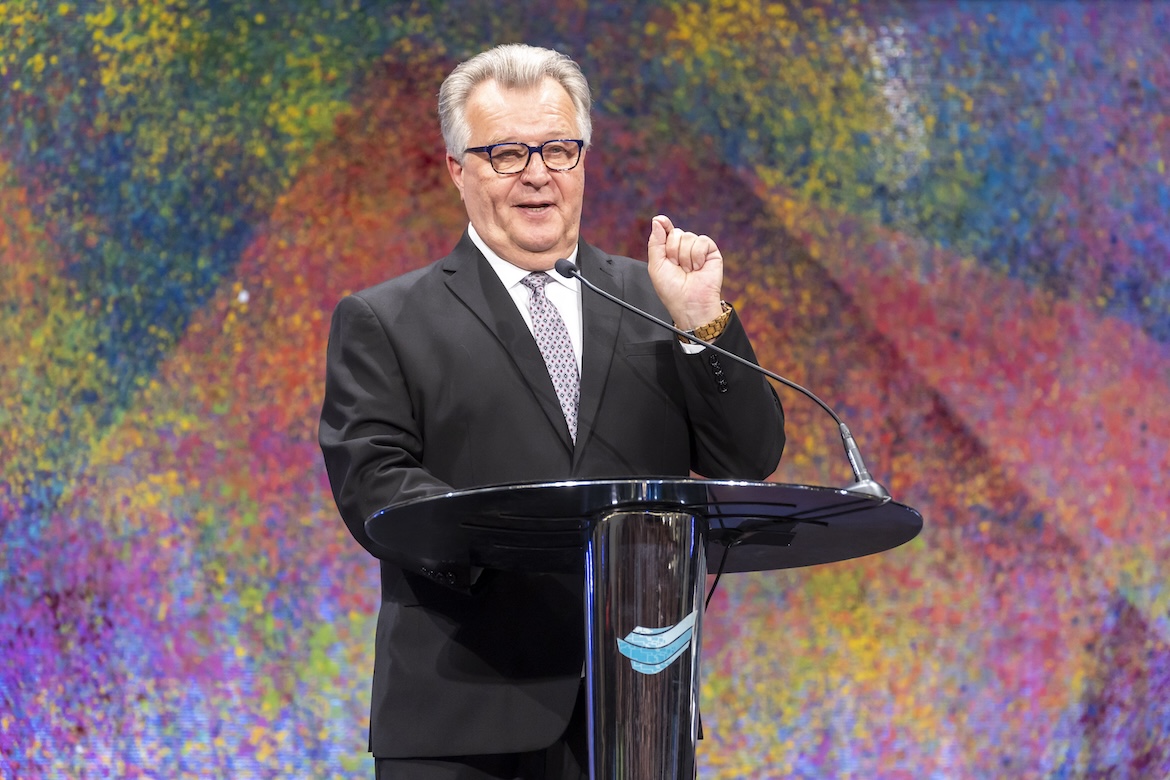
So, the Holy Spirit is unexpected, surprising. The Holy Spirit is not at our command—we are supposed to be at the command of the Spirit and listen carefully to where the Spirit is leading. Therefore, trying to discern the presence and work of the Spirit in everyday life is always tentative. It’s subject to human misinterpretation, because we are fallible. So, prayer, fully trusting that the Lord ultimately takes care of everything, is the way to go. You cannot be proud or take too much credit for yourself.
The Spirit blows where the Spirit wills.
In your paper, you urged Pentecostals to be open to “acknowledging the hidden and mysterious work of God’s Spirit among religions without in any way compromising the belief that salvation is found in Christ alone”. Why is that important?
Perhaps the biggest reason—and it sounds very simple—is that the Bible teaches that clearly. There’s a very well-known example in the book of Isaiah, chapter 42, where it says that there was a pagan king by the name Cyrus. He was an emperor of a very cruel and godless, certainly non-Christian, non-Israelite nation. He did everything to oppose the Israelites, and yet the Spirit of God took over him. The Bible even used the term “anointed”, not in a sense that the Messiah is anointed, and not in a sense that Cyrus would have become a believer in God, but God said He will use him, the godless King, for God’s own purposes. That’s quite astonishing.
Here, we have the world’s most powerful king, who had subdued the world as they knew it then, under his own command. And God said: I have given you this power, I’m going to use it for my God’s purposes. When all is done, you are accountable for the sinful things you did. It’s a good example, because it didn’t sanctify this wrongdoing. This tells me that if the Holy Spirit, the Almighty God, is able to take the world’s cruelest and most powerful king and be above him, there are no limits to the work of the Spirit.
This is not to take away from the Spirit’s powerful work in salvation, our charismatic gifts, our prayer life and in the church, no but it is to widen, make more inclusive our understanding of the Spirit and to be open to whatever the almighty Spirit of God is doing.
Edited by Yong Yung Shin.
