
Leadership in the church can be transformed by reflexivity, humility and relationship. Prof Truls Åkerland goes into detail how this can happen.
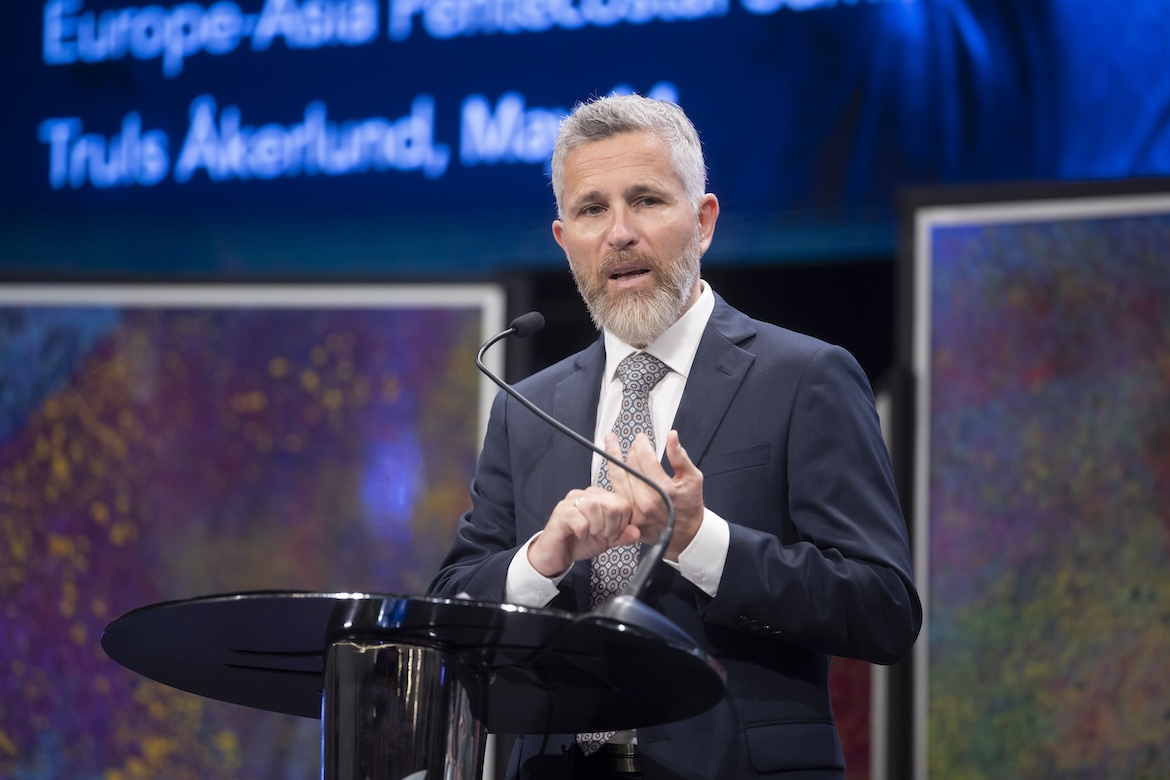
Professor Truls Åkerlund started out in the world of media and journalism—an career path that shaped his deep awareness of culture, language, and human connection early on.
Today, he is a theologian, professor, and church planter based in Oslo, with a PhD in leadership and theology from the University of Agder. Combining academic insight and pastoral warmth, Prof Truls explores how leadership is co-constructed through reflexivity, humility and relationship.
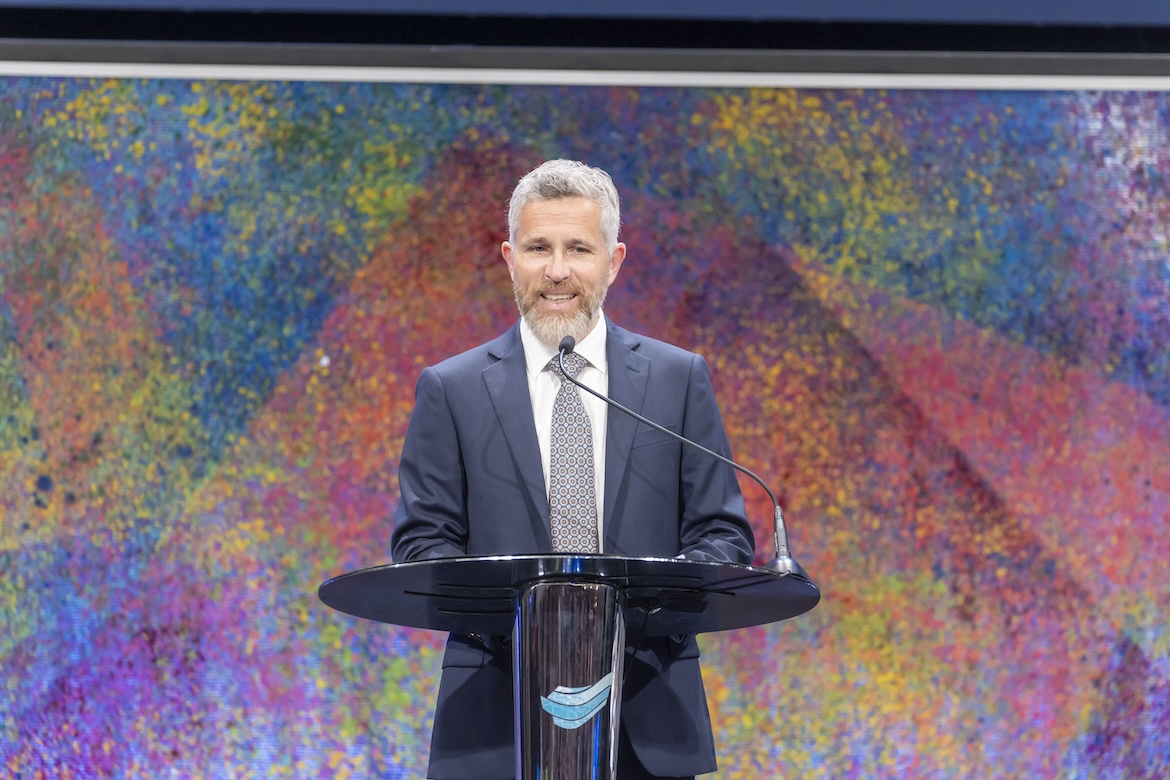
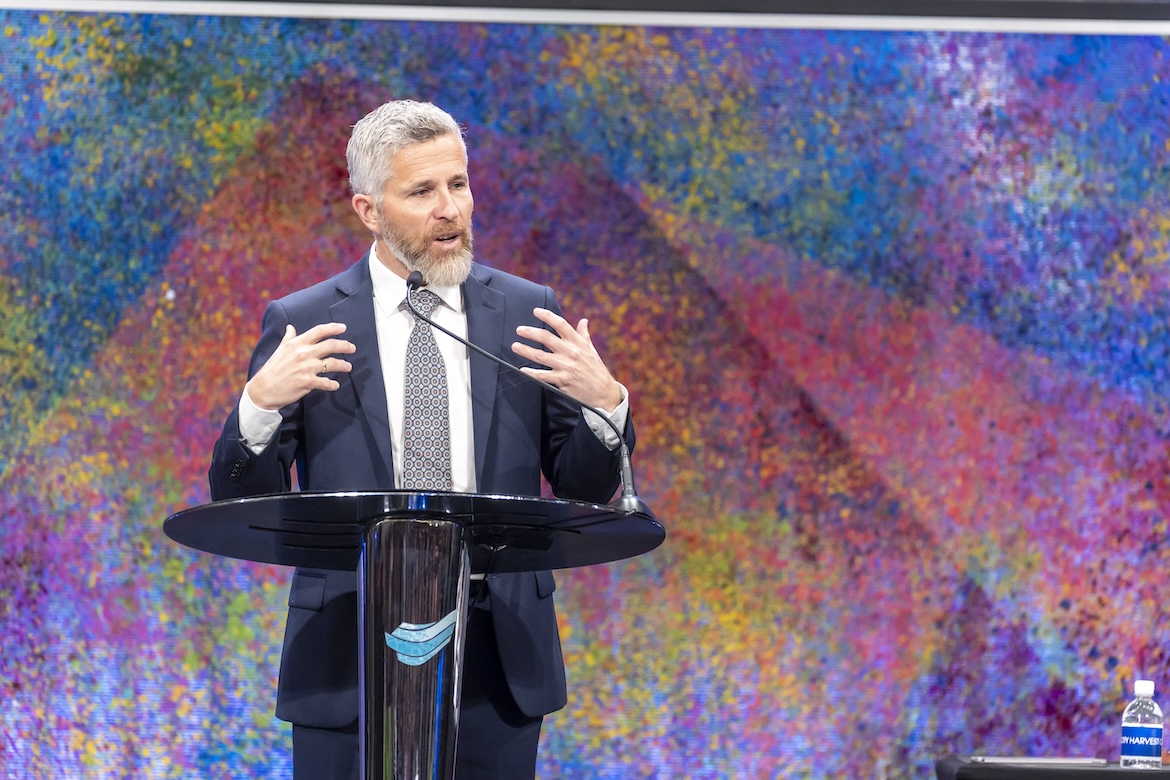
At the Europe-Asia Pentecostal Summit, Prof Truls delivered a paper title “Perspectives on Pentecostal Leadership: Contextuality, Complexity, and Constructiveness”. It is an invitation to reimagine leadership not as command and control, but as a shared spiritual journey.
City News met with Prof Truls to hear his reflections on leadership, theology, and the human heart behind it all.
City News: In your paper, you highlighted the importance of contextuality in Pentecostal leadership. How can leaders remain culturally and socially adaptive without compromising on core theological convictions?
Prof Truls Åkerlund: Contextuality is really important. I referred to the GLOBE study, which identifies 10 cultural clusters around the world. What we see is that leadership can look very different depending on context. For example, in my talk I highlighted the contrast between Nordic Europe and Confucian Asia: Singapore tends to be more collectivistic, while Norway is more individualistic. These cultural differences shape leadership expectations and styles.
But it’s important that we keep a critical distance. We’re always influenced by our surroundings, but we shouldn’t simply conform to them. That’s where spirituality comes in. I emphasised that spirituality must be central—for both leaders and followers. God calls people to lead, yes, but God also speaks to and connects with the congregation. Leadership shouldn’t be autocratic or disconnected. There needs to be relationship and co-construction. That’s why humility is crucial. A leader can still set direction, but should do so while engaging others, building relationships, and creating psychological safety. That means seeing people, listening to them, and building trust.
My colleague and I wrote about charismatic leadership, and one thing we talked about was promoting reflexivity—encouraging leaders to reflect on their own role and relationship with followers. We also addressed the need for ethical policies. For example, Australian theologian Shane Clifton pointed out how, in some Pentecostal contexts, leaders are no longer accountable to anyone—not to a bishop, a board, or the congregation. That’s a problem. Leaders should have room to lead, but there must also be accountability structures.
When I planted a church, we sometimes gathered larger segments of the congregation to ask for feedback. I think that’s a good model—the leader sets the framework and direction, but listens and incorporates the voices of others. That way, leadership becomes more relational, participatory, and grounded.
You mentioned psychological safety. Can you explain that?
Yes, so psychological safety is something I’ve only recently started reading more about but essentially, it’s about people feeling seen by the leader. Of course, in a large megachurch—say with 24,000 members—it’s not realistic for the senior pastor to personally see or engage with everyone. But that’s where leadership structure becomes important.
I think top leaders should be intentional about creating psychological safety, especially with the leaders under them. And those leaders, in turn, should do the same within their own teams. It’s really about trying to meet people, to build trust, and to develop good relationships. That doesn’t mean you have to always agree with everyone, but people should feel heard and valued. It’s about creating a culture where people aren’t afraid to speak up or be themselves. While I haven’t done extensive research on this topic, I see it as a vital part of healthy leadership.
We know that leadership is not perfect. When trust is broken, how can leaders rebuild relational trust?
I think when trust is broken, rebuilding it really depends on the leader not being too autocratic. Of course, in a large church, you can’t have personal relationships with everyone. But still, relationships matter. There’s actually quite a bit of literature, even outside Christian contexts, that speaks to the role of friendship in leadership. And in John 15, Jesus talks about loving one another as friends—so that’s a biblical foundation too.
I also mentioned humility earlier. Leaders need to be willing to listen, to try to see others, and to genuinely seek (others’) input. Research in organisational studies shows that when leaders are humble, open, and relational, trust tends to grow naturally over time.
There’s a leadership theory called Leader-Member Exchange (LMX) that is helpful here. It talks about the importance of the relationship between leaders and followers—how there’s often an “in-group” and an “out-group.” When trust is built, and people feel seen and valued, they tend to go above and beyond—they become more committed, more engaged. That’s also connected to transformational leadership, where people are inspired to give more because they trust the leader and feel part of the mission.
But when people are just in the “out-group”, it’s more transactional. They do their job, but that’s it. So rebuilding trust is really about moving people into that “in-group” space through humility, genuine connection, and shared purpose. That’s where relationships grow, and people are willing to walk with you again.
You said that leadership is “co-constructed” between leaders and followers. What kind of practices can help cultivate a culture where followers actively participate in shaping leadership. Doesn’t it get tricky when members have the opportunity to “question” leadership?
Yes, I think this is a complex issue, especially when you consider the cultural context. In my paper, I referred to the GLOBE study from 2004, which looked at nearly 10,000 leaders across 62 countries. One of the key differences it highlighted was power distance. For example, power distance is much higher in Singapore than in Norway, where I come from. In Norway, leadership is more individualistic and based on values that Dutch social psychologist Geert Hofstede once called “femininity”, which includes care, consensus and seeing people.
That sounds good in theory, but it can get a bit extreme. One EAPS scholar even described church meetings as “hell meetings” because everyone feels the need to share their opinion and meetings never end! So yes, co-constructing leadership is important, but we also need to critically reflect on our context. Not everything in our culture aligns with biblical values. In Norway, I’m personally critical of how individualised our approach has become. Sometimes the church reflects more of the culture than the gospel.
I remember a Malaysian sociologist once said, “God has become nicer.” And it’s true—our focus has shifted. Where the key question used to be “Who is God?”, today it’s often “Who am I?” That’s something I think we need to address. We must lift up a higher theodrama, a bigger biblical narrative that calls us beyond ourselves.
But the same applies in collectivist cultures. There’s beauty in community, but also a danger of autocratic leadership. That’s why reflexivity—the ability to critically reflect on our own leadership practice—is essential. Leaders should ask: What in our leadership reflects the gospel, and what is simply cultural habit?
As I’ve said before, the church is born of two mothers: in one sense, the church is theological, it comes from God; but it’s also sociological. We need each other, and we need the Spirit’s help to discern wisely. We must draw from both theology and the study of leadership to understand and navigate our context.
You talked about “masculinity” and “femininity”. Can you break that down for us?
Yes, when I mentioned masculinity and femininity, I wasn’t referring to gender, but rather to cultural value systems, as originally defined by Hofstede. These terms have evolved over time, and now some prefer to use labels like achievement, motivation, and success instead. But originally, Hofstede used “masculinity” to describe cultures that value competitiveness, success, and achievement, whereas “femininity” referred to cultures that emphasise care, relationships, and quality of life.
So, for example, in cultures that score high on masculinity, like the US, success and winning tend to be emphasised, often at the expense of emotional connection or community. In more feminine cultures, like many in Scandinavia, the emphasis is placed on well-being, social support and consensus-building.
Interestingly, even though Singapore is often seen as performance-driven, the US actually scores higher on the masculinity index. These differences affect how leadership is expressed in various contexts. Understanding these dynamics helps us reflect on what aspects of our leadership are shaped by culture and what should be shaped by our faith.
Thank you Prof Truls! Can you leave us with five tips for leaders of organisations?
TA: If I had to offer five key tips for leaders in any organisation, especially those shaped by Christian or Pentecostal values, they would be these:
1. Practice reflectivity. Leaders need to step back regularly and reflect critically—not just on what they do, but why they do it and how their context influences their decisions. We are all shaped by our culture, whether it’s individualistic or collectivistic, so having a kind of “critical distance” helps ensure our leadership aligns more with the gospel than just local norms.
2. Embrace humility. I believe humility is essential for building trust. Leadership isn’t about having all the answers or exerting control. It’s about being willing to learn, admit mistakes, and see others—really see them—as co-labourers, not just followers. Research in both theology and organisational studies shows that humble leadership leads to healthier, more trusting communities.
3. Lead as a servant. This ties to the example of Christ. Servant-leadership isn’t about being passive—it’s about having the courage to lead from a posture of love and service. It also avoids the pitfalls of autocracy, which unfortunately can still exist in some church or ministry settings.
4. Create space for feedback. Leadership is co-constructed. That means we need to intentionally invite participation and feedback. This doesn’t mean letting go of direction, but it means involving people in the journey. Listening well builds ownership and fosters a stronger sense of community.
5. Promote psychological safety. People need to feel seen, valued, and safe—especially in hierarchical organisations. Leaders should work to create environments where people can speak up without fear, share their thoughts, and grow. That’s part of building the kind of trust that leads to flourishing teams and congregations.
So, for me, good leadership is never just about techniques—it’s deeply relational, reflective, and rooted in the Spirit.
